
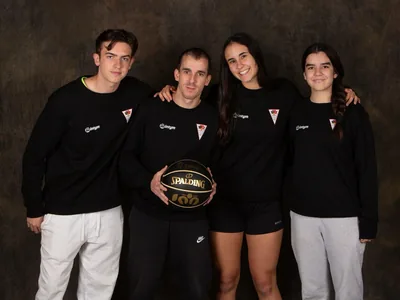
TALENT LEFT UNRECOGNISED
38 CB Grup Barna women coaches develop players every week. None of them holds a federation licence. As far as the FCBQ's statistics are concerned, they simply do not exist.
Covering letter
Barcelona, 4 March 2026· Ref.: CB Grup Barna / 8M 2026 / FCBQ Women's Basketball Project
Dear President of the FCBQ,
CB Grup Barna is a youth basketball club founded in 1965 in the Clot neighbourhood, in Barcelona's Sant Martí district. Over 61 unbroken years, we have built one of Catalonia's most advanced models of investment in women's basketball: 50% of our budget goes to the women's game, when the sector norm is 35%.
Today, to mark International Women's Day (8 March 2026), we write to you and to the FCBQ's Board to set out a structural problem affecting hundreds of young Catalan women and to propose a club-federation model of collaboration that can reverse it.
We have 38 active women coaches who every week develop players, break stereotypes and make our model possible. None of them, however, holds a federation licence: not because they could not, but because the cost and the timetable make it impossible. As far as the FCBQ's statistics are concerned, they simply do not exist.
We ask the Catalan Basketball Federation to recognise them and help them take that step. It is not a cost; it is an investment with a direct, measurable return in equality, in technical training and in the strength of youth women's basketball in Catalonia.
Yours sincerely,
CB Grup Barna
1 · The club and its context
61 years · The Clot, Barcelona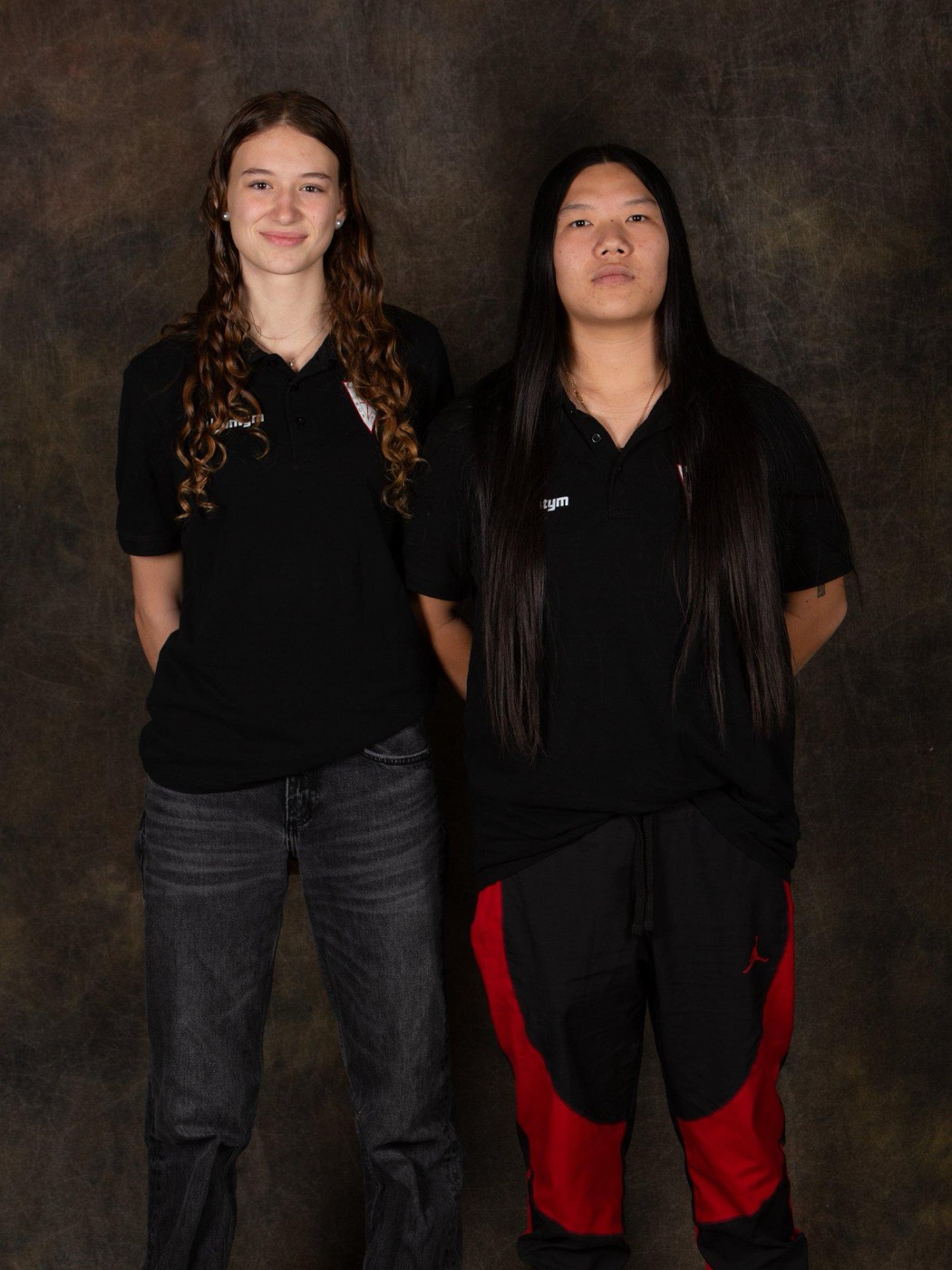
· A neighbourhood club with high-level women's results
20 of the 35 teams are female
The club has between 35 and 34+ teams, with more than 450 federated members, and offers a complete pathway from under-10 to senior level without a break. 57% of the structure is female: 20 women's and girls' teams out of 35.
The senior women's team competes in the Supercopa Femenina and Copa Catalunya, and outperforms the men's team competitively — investment and results go hand in hand. All of it without a hall of its own or specific municipal funding.
Talent exported to LF2: players developed at the Barna have signed for Almeda and UE Mataró.
2 · The structural problem: the invisible gap
From player to coachCatalan basketball has a challenge the licence numbers do not show: women join as players, but they do not stay as coaches or leaders.
Nationally, the 157,432 women's licences in 2024 represent 35.7% of the total, and female growth is double the male figure (+19,165 women vs +9,377 men). But there is a systematic funnel: women enter basketball in growing numbers, but the mechanisms for turning them into coaches do not keep pace — not for lack of talent, but for lack of resources, time and recognition.
· The paradox of the FCBQ Mentoring Programme
Designed for those who have already solved the problem
To take part, coaches must hold a Level 0, 1, 2 or Advanced qualification. The programme designed to give opportunities to coaches who have not become professionals excludes precisely the coaches who have not been able to become professionals.
3 · The CB Grup Barna model
61 years building what the city needsCB Grup Barna is not presenting a one-off action for 8 March. It is presenting a 61-year structural model that has built a real ecosystem.
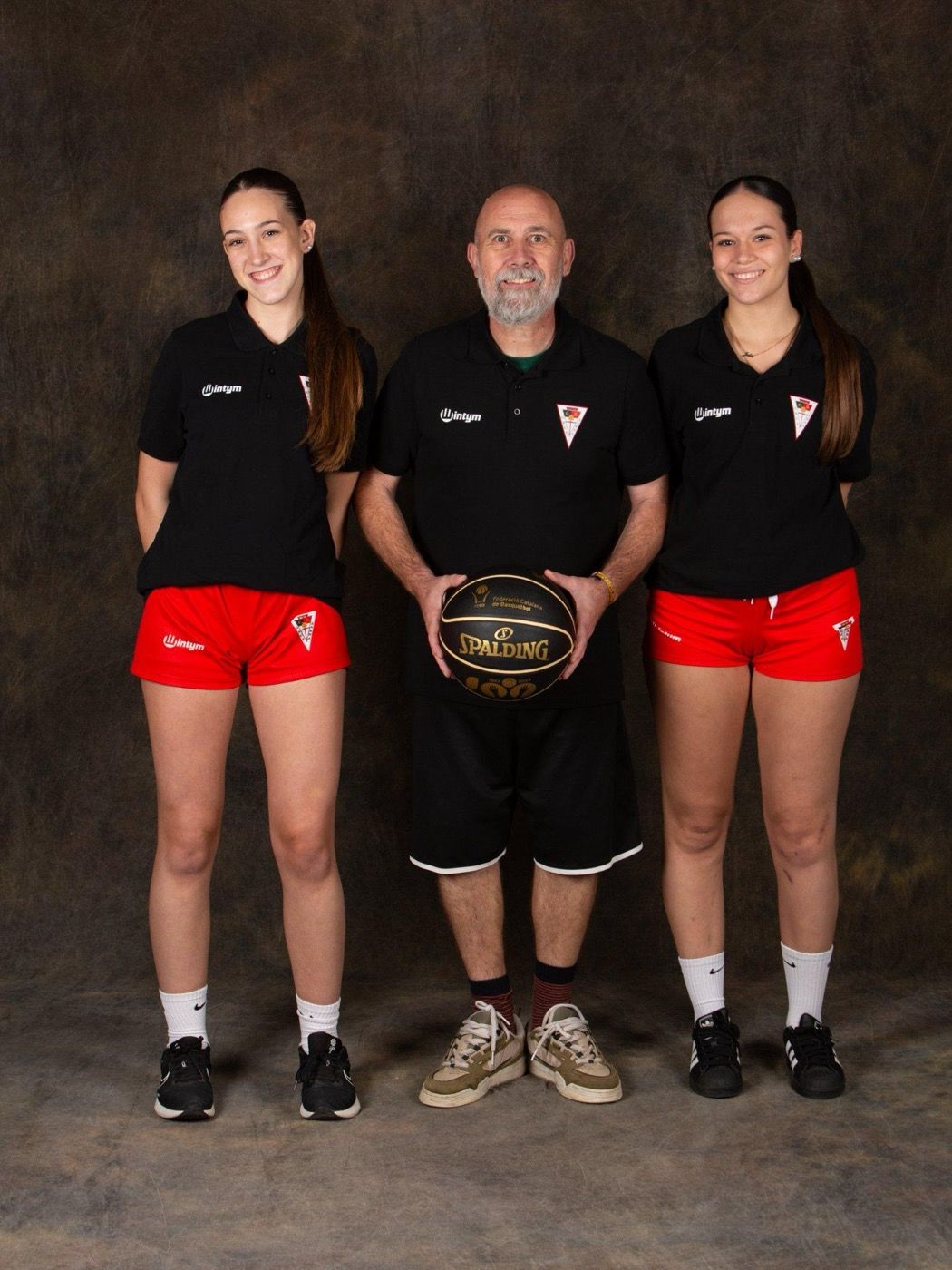 Mixed staff: a woman and a man coaching
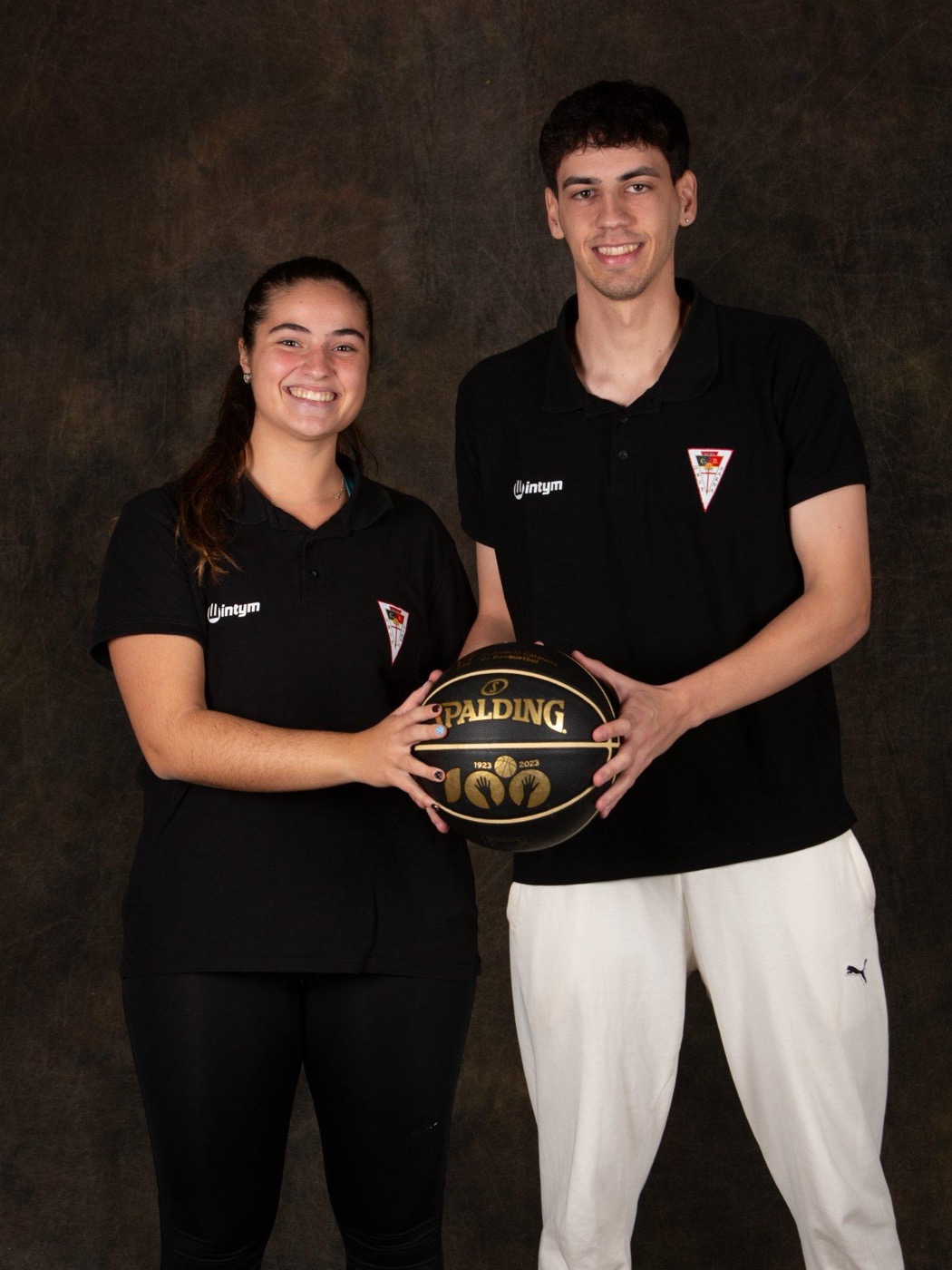 Shared leadership: the ball in women's hands
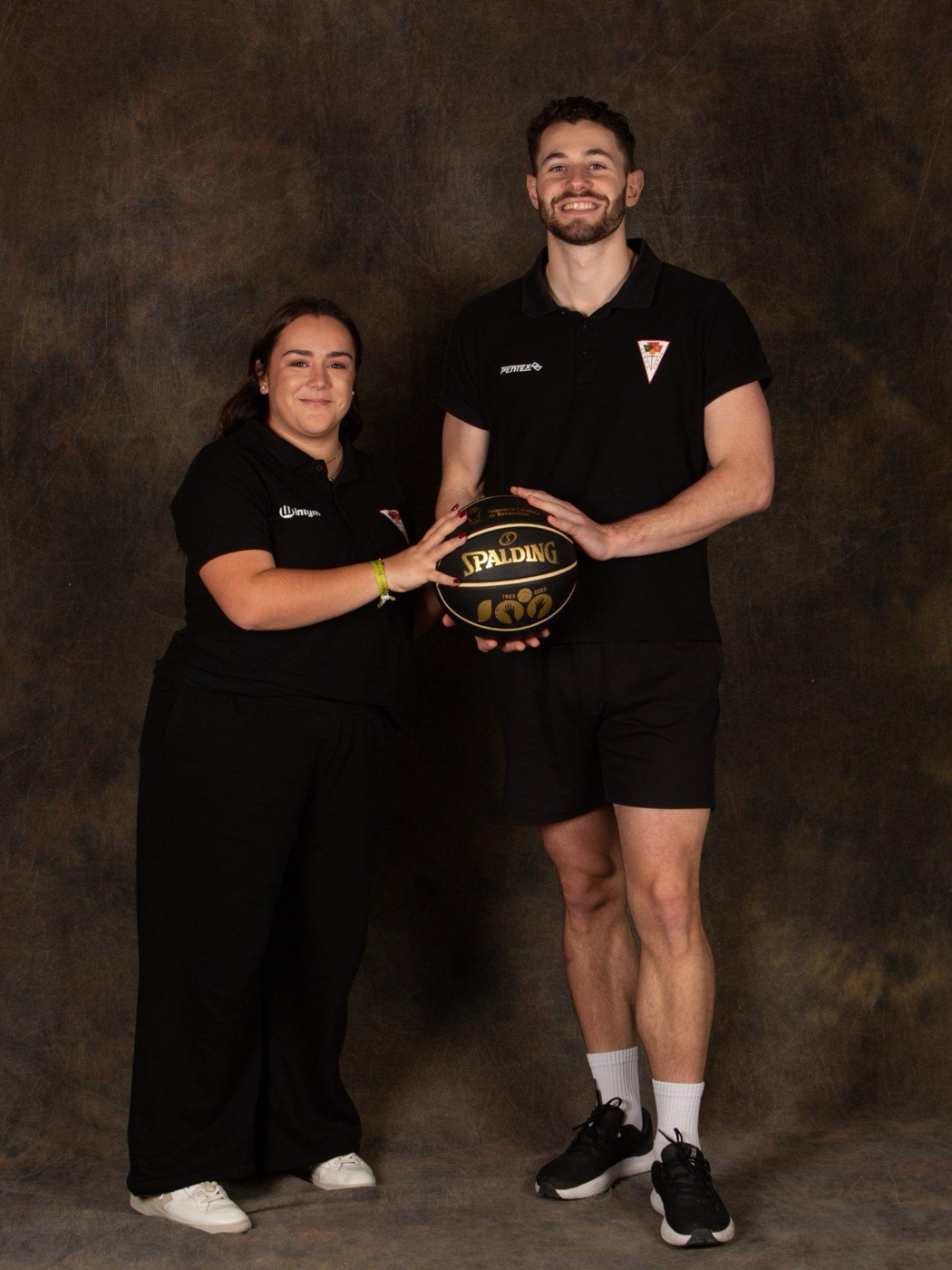 A woman coach at the visual centre of the team
Women coaches at the club run boys' teams. That is not anecdotal: it is the proof that real equality means women leading teams regardless of the players' gender.
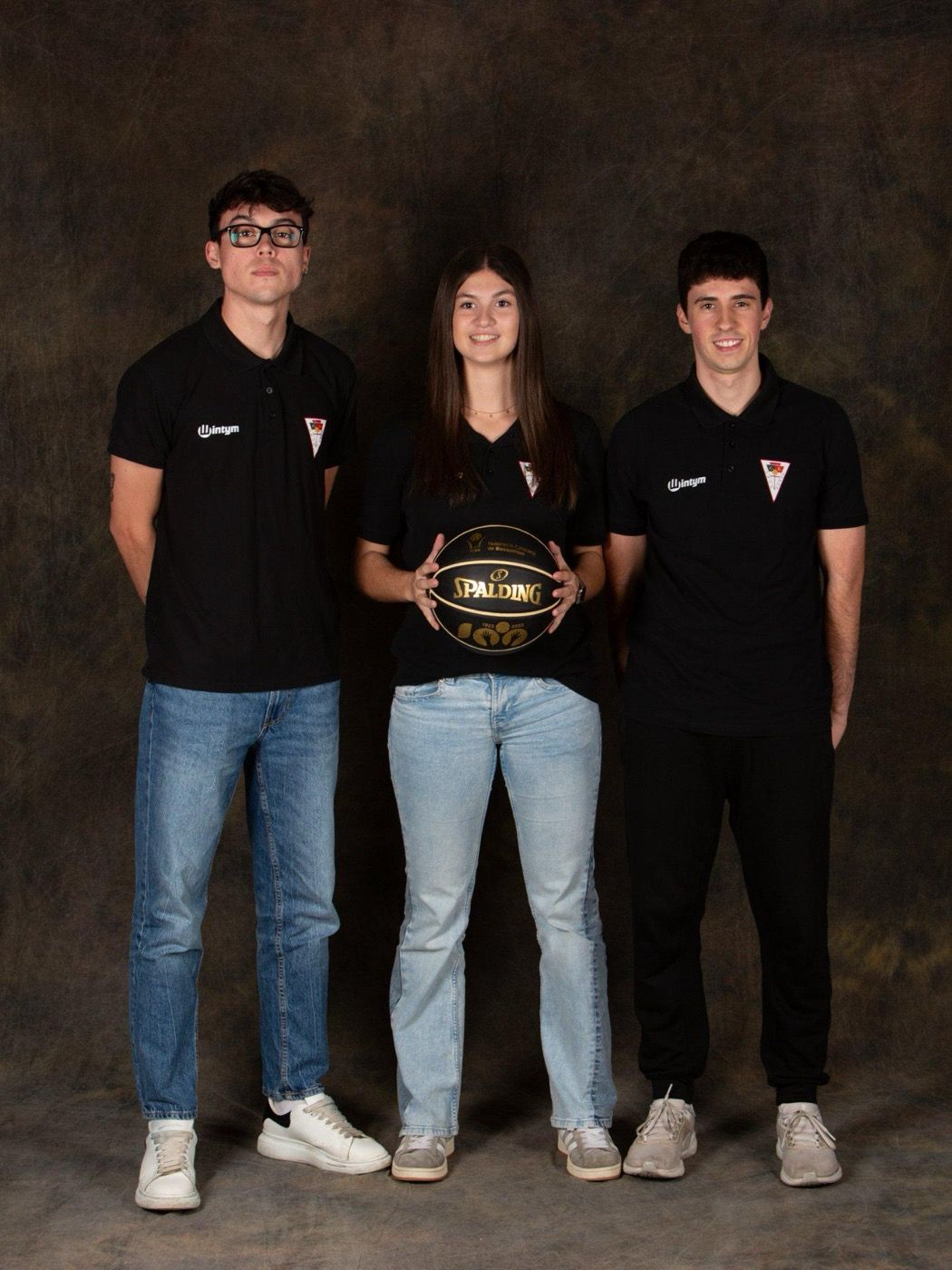 Intergenerational staff: a diversity of roles
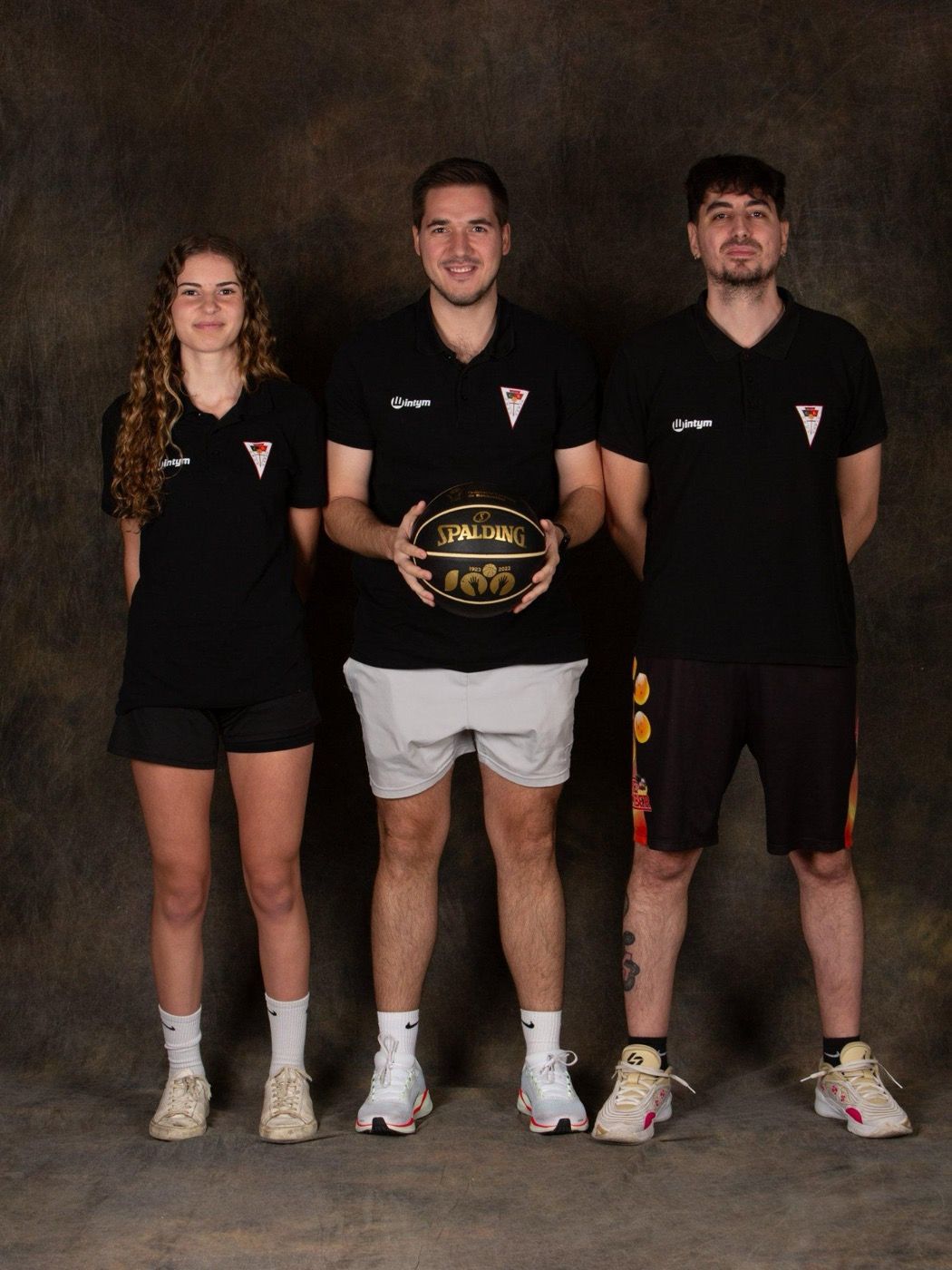 Parity: from development to play
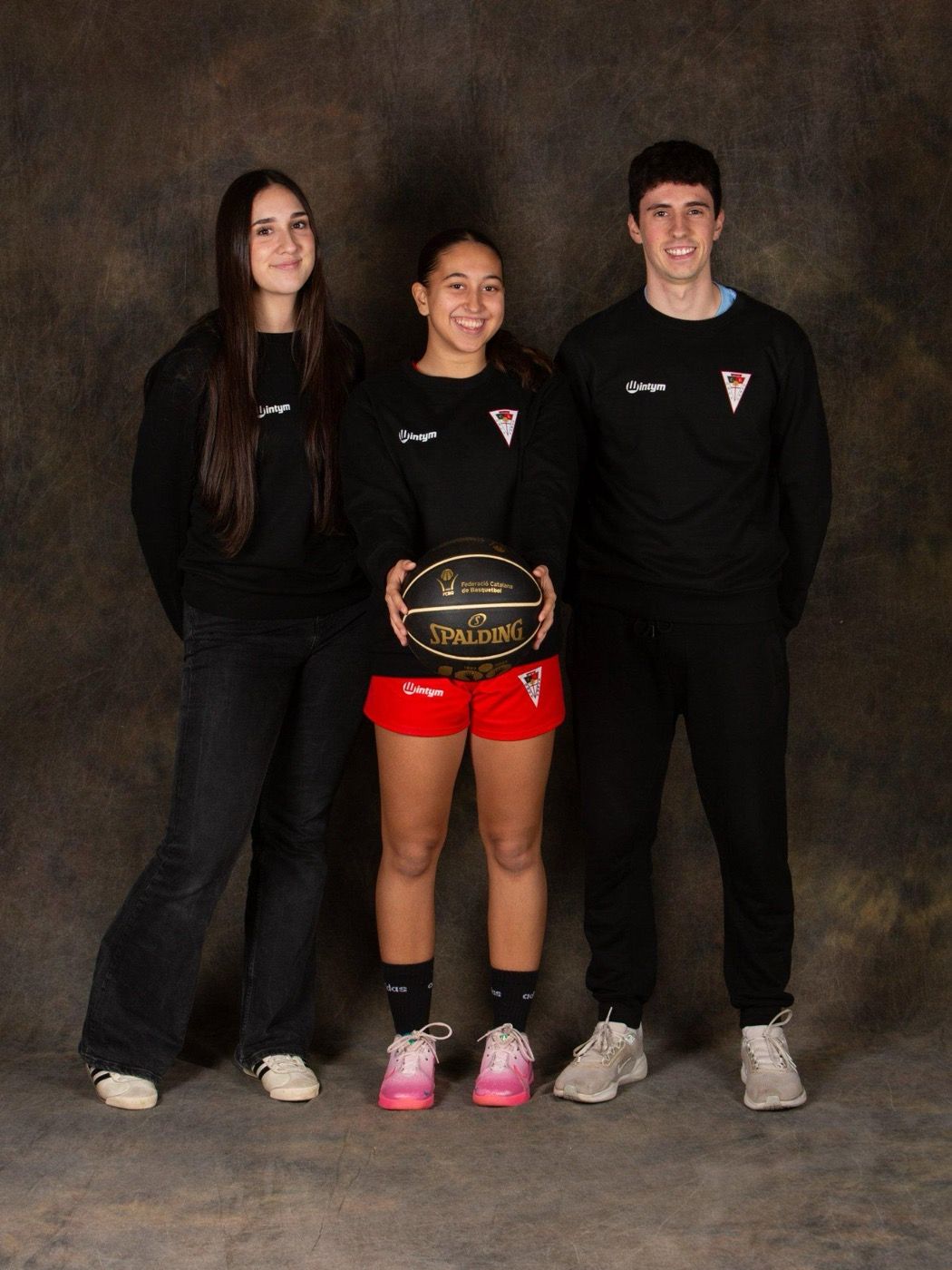 From player to coach: the pipeline in action
· The Barna Method
The name the system was missing
The Barna Method is not a document or a programme. It is the name that was missing for what the club has already been doing for 61 years, but had never articulated as an exportable system.
- ① Inverted investment — The club devotes 50% of its budget to women's basketball: a strategic commitment that forces the women's model to be high quality. Investment creates expectation, expectation creates standard, standard creates role models.
- ② The pipeline — Players do not leave the club when they stop playing: they become coaches, many of them running boys' teams. That cycle (escoleta → development → competition → technical staff) is what makes the club "generate female leadership" and not only "have women's teams".
- ③ The community effect — The predominantly female audience on social media is not the result of a campaign: it is the organic consequence of the two principles above.
Without a name, the Barna Method is invisible. A name turns anecdotes into a system, a system into a methodology, a methodology into an institutional and communicative asset. With the concept articulated, the club can present itself to institutions — the FCBQ, the City Council, the Generalitat, the FEB — not as "a club that does things well", but as "the creator of a replicable model".
4 · The hidden pattern: the vicious circle of female talent
Cross-analysis of FCBQ data + dropout studies + internal realityCross-analysing the FCBQ's data, the dropout studies and CB Grup Barna's internal reality makes it possible to set out the mechanism that pushes women out of basketball:
- 1The player stops competing at 13–16.
- 2She finds no female role models in technical roles → she does not consider coaching.
- 3If she wants to coach: she needs a qualification (Level 0: cost + time + weekends).
- 4Without a qualification, she cannot join the FCBQ Mentoring Programme.
- 5Without mentoring, she gives up the idea of becoming a professional.
- 6Her youth age group still has no woman coach to look up to.
CB Grup Barna has partly broken this circle by taking on former players as coaches. But without a licence, that pipeline is invisible to the federation system and its statistics.
What CB Grup Barna proposes: not requiring a qualification to access support, but providing support to obtain the qualification.
5 · Our women coaches
A portrait of talent made invisible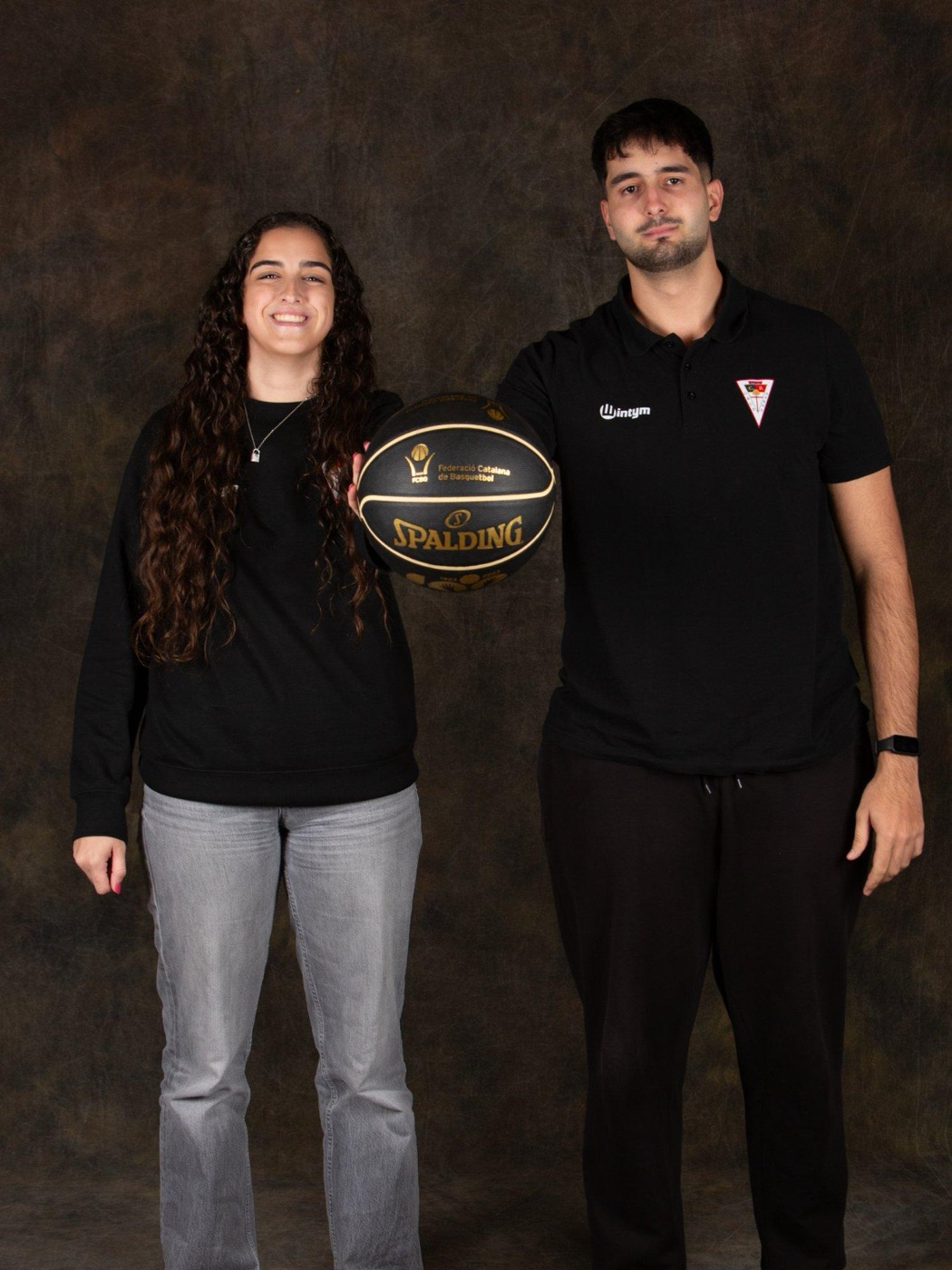 A woman and a man coaching: equality on the benchShared leadership: real diversityFrom player to coach: the visible pipeline
· 6.1 Profile of the group
The talent the system does not see
Playing background: most of them are and were players at the club. They know basketball from the inside.
Real commitment: they coach every week, run teams, mentor players. The same role as a qualified coach.
Barriers to qualifying: cost, availability (weekends), balancing family and work.
Direct impact: they cover the age groups from 10 to 16, where the presence of female role models matters most.
· Real examples from the technical ecosystem
- Lucía Morales → entrenadora Mini Blanc Masculí
- Nadia Jiménez i Cuca Larrosa → staff Cadet A Femení
- Clàudia Adelantado i Paula Cubel → staff Pre-Mini A Femení
- Laia Sadurní → Pre-Mini Vermell Femení · Marta Trujillo → Infantil Negre Femení
- Marina García → Infantil Negre Masculí
None of them can join the FCBQ Mentoring Programme for lack of a prior qualification.
· 6.2 What the system does not count but exists
When the FCBQ publishes statistics on federated women coaches in Catalonia, CB Grup Barna's 38 women coaches do not appear. Not because they do not exist: because they have no licence. Catalonia reports figures for women in technical roles that are lower than reality. Sports policy is designed on incomplete data.
6 · The proposal: Fons Barna 8M
Grants for women coaches · three levels of actionThis is not a one-off request: it is a club-federation model of collaboration to close the qualification gap and produce systemic change replicable across Catalonia.
A grant fund for qualifications
Unit cost per coach (FCBQ Level 0 Course), to be agreed jointly.
- Priority: active coaches without a prior qualification
- Proposed co-funding: 30% club + 70% FCBQ (or 100% FCBQ for small clubs)
- Commitment to stay: a minimum of 2 seasons at the beneficiary club
- CB Grup Barna: 38 immediate candidates
Redesign of the FCBQ Mentoring Programme
Change the entry criterion: from "a prior qualification" to "being an active coach at a federated club".
- A route in based on real activity, not on prior accreditation
- Requires no significant financial investment
- Only a federation policy decision
"From the Clot to Catalonia" pilot programme
Turn the CB Grup Barna model into a documented, replicable pilot programme.
- FCBQ certification as a "Reference Club in Women's Technical Development"
- Presentation to Barcelona City Council and the Consell Català de l'Esport
- A results report, as a basis for future federation policy
· Summary in three sentences
- ① Create an FCBQ Grant Fund to pay for the licences of the 38 women coaches who are already working. Investment with an immediate return: 38 new federated coaches.
- ② Change who can join the Mentoring Programme: from "those who already hold a licence" to "those who already coach".
- ③ Turn the CB Grup Barna model into a replicable policy for every neighbourhood club in Catalonia.
7 · Why it is urgent now
The connection with what 8 March really means8 March is not the day clubs post something with a purple background. It is the annual reminder that structural inequality exists — and that it demands structural, not symbolic, action.
· Barcelona, capital of women's basketball
The bigger picture
Barcelona is the only major European capital without a women's club in an elite league. The city holds Catalonia's largest development base but has the lowest conversion to national categories.
Professionalising women coaches is a necessary condition for reversing that anomaly.
8 · Expected impact and monitoring indicators
Year 1 and year 3 targets| Action | Indicator | Year 1 target | Year 3 target |
|---|---|---|---|
| Qualification grants | Coaches with a new licence | 15–20 | 38+ |
| Qualification grants | Total cost of the grant fund | To be defined | To be defined |
| Mentoring redesign | Active coaches on the programme | 10–15 | 30+ |
| Mentoring redesign | New women's coaching licences BCN | +20 | +80 Cat. |
| Pilot model | Clubs replicating the model | 1 documented | 5–10 clubs |
| Retention impact | Continuity of players aged 13–16 | Baseline measure | −15% dropout |
| Statistics | Coaches visible in FCBQ stats | 0 → 38 | 0 → 100+ |
· Replicability for the FCBQ and Catalan youth basketball
The CB Grup Barna model is replicable for any youth club in Catalonia willing to invest in the women's game, with a full age-group pathway and former players ready to make the transition to coaching. Profile of a replicable club:
- 150–500 federated members, 10–25 active teams
- Significant female representation in every age group
- Former players connected to the club and willing to coach
- Institutional will to prioritise women's basketball
The federation has a unique role: creating the regulatory framework and the fund of resources. Without the FCBQ, the CB Grup Barna model is an anecdotal exception. With the FCBQ, it can be the new standard for youth women's basketball in Catalonia.
The future of women's basketball is already coaching. The system only has to recognise it.CB Grup Barna · Fons Barna 8M
9 · Conclusions and formal request to the FCBQ
They already coach. The system has to recognise them.Over 61 years, in the Clot, CB Grup Barna has built what many sports policies try to create in 4 years: an ecosystem where women do not quit basketball. But we have done it without licences, without a register, without institutional visibility.
CB Grup Barna's 38 women coaches exist. They work. They develop players. They break stereotypes by coaching boys' teams. They reduce dropout. But as far as the FCBQ's statistics are concerned, they do not exist.
· Formal request to the Catalan Basketball Federation
- That the FCBQ create a Grant Fund for qualifying active coaches without a licence, with an initial allocation covering the Level 0 Sports Coach Course, on a club-federation co-funding model (proposal: 30% club / 70% FCBQ, or 100% FCBQ for small clubs).
- That the Women's Coach Mentoring Programme change its entry criterion to include active coaches without a prior qualification, replacing the "prior licence" requirement with real, verifiable activity at a federated club.
- That CB Grup Barna act as the model's documented pilot club to make its replication at other Catalan clubs easier, with FCBQ certification as a "Reference Club in Women's Technical Development".
- That the FCBQ set up a transitional register of coaches in training to count the real female technical talent and produce statistics reflecting the true situation of women's basketball in Catalonia.
· They already coach
The system has to recognise them
To discuss this proposal with the Catalan Basketball Federation or to ask us for more information.